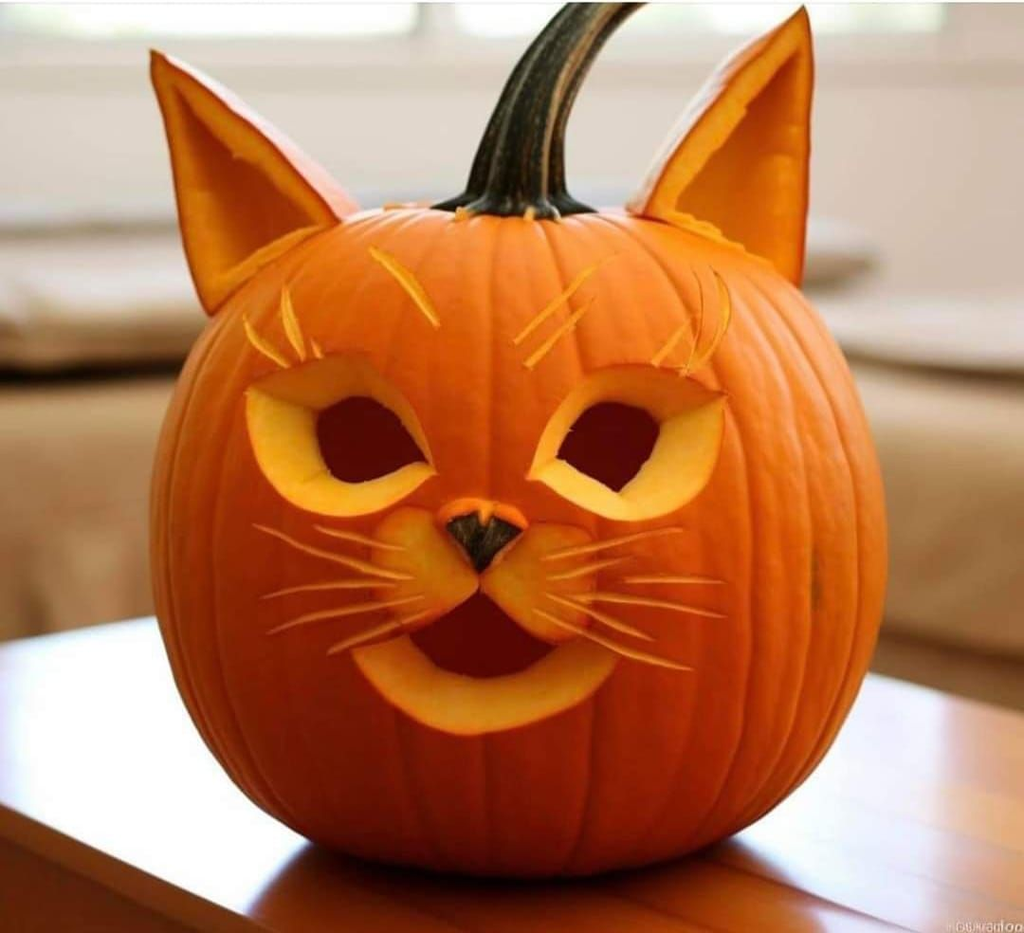



Halloween is a spooky fun time for people, but not all pets think this time of the year is spooktacular. Preparing in advance, creating a secure indoor space, and being mindful of treats and costumes can make this time a treat and not a trick.
Keep Halloween Candy Away from Pets
The biggest Halloween danger for pets is chocolate (Chocolate toxicity), sugar-free candy and raisins. Chocalate is an indulgence for us but for pets the cocoa irritates their nervous system leading to hyperactivity and seizures. The darker the chocolate the more dangerous it is!
- Xylitol — This artificial sweetener, often found in sugar-free candy, gummies, other sweets and chewing gum, causes a spike in insulin and a subsequent drop in blood glucose leaving your pet very weak and can also damage a pet’s liver. Vomiting may start in as little as 30 mintues after ingestion but effects could be delayed up to 12 hours. If your pet has ingested any of these products, please get them to an emergency hospital right away!
- Raisins — These dried versions of grapes contain tartaric acid, a compound that can cause kidney failure in dogs.
- Candy wrappers — Foil, plastic, and wax paper can get stuck in a pet’s intestinal tract and cause a life-threatening intestinal blockage requiring emergency surgery.
Pet Poison Helpline is available 24/7: (855) 764-7661
Prevent Pet Escapes
Continuously opening and closing your front door to greet trick-or-treaters gives pets the opportunity to slip outside, become frightened, and get lost or injured. Make sure to keep your pet away from the front door.
If your pet gets upset when strangers approach the house, consider not participating in trick-or-treating and turn off outside lights or post a sign. To participate in the fun without stressing your pet, sit at the end of your driveway with a candy bowl instead of waiting for trick or treaters inside. You can also create a safe, quiet retreat indoors with your pet’s favorite toys, bedding, and treats.
Make sure your pets are microchipped and have current identification tags on their collars.
At The Vet On Main we use HOME AGAIN Microchips – not only do they provide permanent identification but they will also read your pet’s temperature when scanned with the Temp Scan reader https://www.homeagain.com/
Reduce Your Pet’s Stress and Anxiety
Halloween’s unfamiliar sights and noise can overwhelm and frighten your pets. Reactive pets should be in a quiet space insulated from noise. Play calming music or even white noise can help distract your pet from what’s going on outside. https://youtu.be/GnWkv6ZvDFs?si=1brIkXIGyd-1Kz5u
Use calming pheromones such as ADAPTIL to help ease your dog’s stress https://www.adaptil.com/ca_en/Products/ADAPTIL-comforting-messages and FELIWAY for CATS https://us.feliway.com/
CBD can be an excellent supplement to use in these cases. Ask Us about our Pet Releaf Products that are safe and effective for dogs and cats. Remember that THC in human products is TOXIC to pets!
If you anticipate serious distress, ask your veterinarian about prescription anti-anxiety medications that will help your pet relax.
Pet Costumes
While we think our pets look irresistibly adorable in costumes, not all pets enjoy wearing them. Restrictive or uncomfortable costumes especially can cause distress, and some costumes pose chewing or choking hazards. Only pets accustomed to clothing should wear costumes, and they should not restrict their movement, breathing, or vision.
Keep Halloween Decorations Out of Reach
Pets like to investigate anything new things in their environment. Watch what decorations you use and where you put them to ensure a pet-safe Halloween experience. Common decorations and their potential hazards include:
- Jack-o’-lanterns — Pets can knock over pumpkins with lit candles and cause a fire.
- Hanging decorations — Cobwebs with rubber spiders, bats, string lights, and hanging skeletons can pose a risk for your pet getting tangled up, choking, strangulation, or intestinal obstruction hazards if your pet eats them.
- Electronics — Lights and animatronics often require extension cords. Pets who chew on live wires can be burned or shocked and potentially start a fire.
- Glow sticks — Glow sticks aren’t toxic, but can cause mouth irritation, drooling, and vomiting if ingested. Also, the plastic pieces from glow sticks can cause intestinal issues.
Let’s Keep it Paw-sitively Fur-tastic this Halloween!