


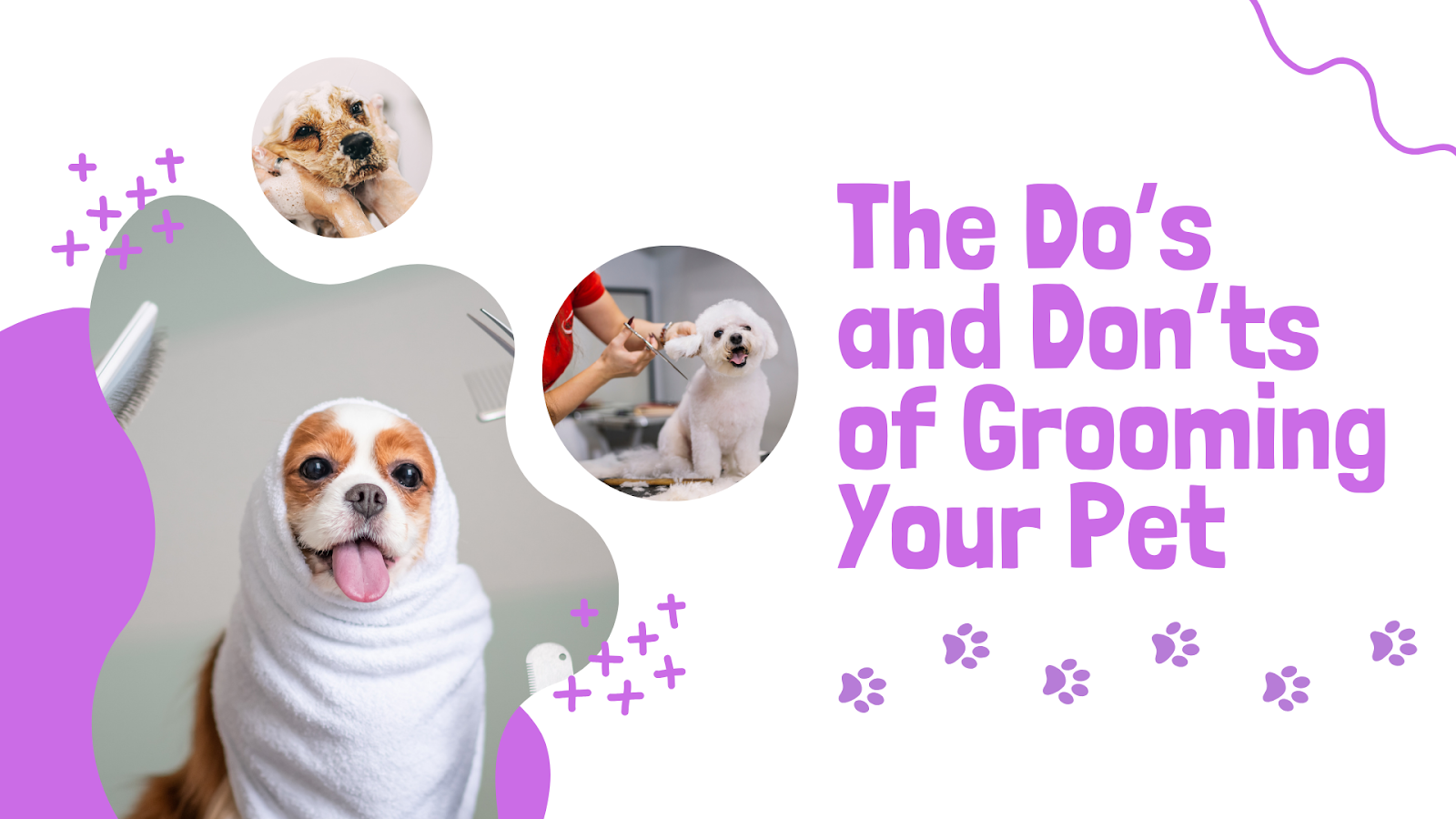

Proper grooming is essential for keeping your pet healthy, happy, and comfortable. But with so much conflicting information out there, it’s easy to feel overwhelmed. How often should you bathe your dog? Is brushing your cat really necessary? And do pets even need their teeth brushed?
This guide will help simplify things by covering the key do’s and don’ts of pet grooming. Whether you’re caring for a fluffy Golden Retriever, a hairless Sphynx, or any furry friend in between, these tips will set you up for pet grooming success.
Proper grooming is essential for keeping your pet healthy, happy, and comfortable. But with so much conflicting information out there, it’s easy to feel overwhelmed. How often should you bathe your dog? Is brushing your cat really necessary? And do pets even need their teeth brushed?
This guide will help simplify things by covering the key do’s and don’ts of pet grooming. Whether you’re caring for a fluffy Golden Retriever, a hairless Sphynx, or any furry friend in between, these tips will set you up for pet grooming success.
Why Grooming Matters
Grooming isn’t just about aesthetics or making your four-legged friend look Instagram-ready (though that’s a nice bonus). It’s a vital part of their overall health and well-being. Regular grooming prevents skin infections, promotes healthy fur, minimizes shedding, and strengthens the bond between you and your pet. Plus, it allows you to spot any unusual lumps, bumps, or injuries early.
Now, let’s break down the grooming habits to adopt (and, just as importantly, avoid).
The Do’s of Grooming Your Pet
Regular Brushing
Brushing isn’t one-size-fits-all—it needs to be tailored to your pet’s coat type.
- Short coats (like those on Beagles) benefit from weekly brushing to remove dirt and loose hair.
- Medium coats (like on Border Collies) need brushing every few days to prevent tangles.
- Long or double coats (like Golden Retrievers or Persians) require daily attention to avoid painful matting.
Use the right tool for the job, whether it’s a slicker brush for detangling, a bristle brush for polishing, or a deshedding tool during shedding season. Brushing regularly also reduces shedding, which means less hair on your furniture!
Nail Trimming
Overgrown nails can be painful for pets and even lead to joint problems. Aim to trim your pet’s nails about once a month (or as needed). If you hear a click-clack sound when they walk on hard floors, it’s time for a trim.
- Use pet-specific nail clippers or a nail grinder for better control.
- Trim just the tip of the nail to avoid cutting into the quick, the sensitive vein inside.
- Nervous about hurting your pet? Consider asking your vet or groomer for a demo, or watch tutorials online.
Bathing
While pets don’t need baths as often as we humans do, they do benefit from occasional bathing.
- Frequency: Dogs typically need a bath every 4-6 weeks unless they have skin conditions or get dirty. Cats usually do a good job grooming themselves, but occasional baths may help long-haired or elderly cats who can no longer manage on their own.
- Shampoo Selection: Choose a shampoo specifically designed for pets. Hypoallergenic and oatmeal-based shampoos are great for sensitive skin, while antibacterial formulas can help pets prone to skin infections. Always avoid using human shampoo, as the pH level can irritate their skin.
Cleaning Ears
Don’t overlook your pet’s ears! Regular ear cleaning prevents infections and minimizes itchy discomfort.
- Use pet-safe ear-cleaning solutions.
- Dampen a cotton ball and gently clean the visible parts of the ear. Avoid using Q-tips, which can push debris deeper.
- Check for signs of infection, such as redness, odor, or excessive scratching, and consult your vet if necessary.
Dental Hygiene
Yes, pets need dental care too! Poor dental hygiene can lead to gum disease, tooth loss, and even systemic health issues.
- Use pet-safe toothbrushes and toothpaste (never human toothpaste, as it’s toxic to animals).
- Brush your pet’s teeth a few times a week, starting slowly so they get used to the idea.
- Dental chews and toys can supplement brushing but shouldn’t replace it altogether.
The Don’ts of Grooming Your Pet
Don’t Over-Bathe
Frequent bathing can strip your pet’s skin of natural oils, causing dryness, irritation, and itching. Stick to the recommended bathing frequency for your pet’s species and breed. If your pet gets muddy in between baths, a gentle rinse or spot-cleaning with a damp cloth usually does the trick.
Don’t Use Human Products
Many human shampoos, conditioners, and cleaning products contain harsh ingredients or chemicals that can harm your pet’s skin and coat. For example, tea tree oil and artificial fragrances are commonly found in human products but are toxic to pets. Always opt for products designed specifically for animals.
Don’t Ignore Matting
Matted fur isn’t just unsightly; it can harbor bacteria, restrict movement, and cause painful skin conditions.
- Start brushing out mats as soon as you spot them.
- For severe matting, don’t attempt to cut them out yourself. It’s easy to accidentally nick the skin. Instead, consult a professional groomer.
Don’t Skip Paw Care
Your pet’s paws endure a lot—from rough pavement to extreme weather conditions.
- Check their paws regularly for cuts, debris, or swelling.
- Trim the fur around the pads to prevent dirt buildup.
- If the weather is cold, consider using paw balm to protect against cracking, or booties to shield against snow, ice, and sidewalk salts.
Don’t Neglect Professional Help
Even with your best DIY efforts, professional help has its place. A professional groomer has the tools and skills to handle tricky tasks, such as advanced de-matting or anal gland expression. Likewise, regular vet checkups can address things like ear infections, under-the-radar skin conditions, or dental issues.
Keep Your Pet Happy, Healthy, and Clean
Proper grooming is an investment in your pet’s happiness and well-being. By following these do’s and don’ts, you’ll have a cleaner, healthier, and more comfortable furry friend. And remember, grooming is not just about maintenance; it can also be a bonding experience that strengthens the relationship you share with your beloved companion.
If you’re ever unsure where to start, don’t hesitate to ask your veterinarian or a professional groomer for guidance. Ultimately, a well-groomed pet is a happy pet!