Understanding Behavior Changes in Senior Pets

View Post

Pets are an irreplaceable part of our families, showering us with unconditional love, loyalty, and companionship. But as our furry friends age, senior years can bring about changes in their behavior that can be worrying and challenging for pet owners. Sleep disruptions, reduced energy, or new household habits might leave you wondering what’s happening and how you can help. 

This guide explores the common behavior changes in senior pets, the possible underlying causes, and actionable tips to improve your pet’s quality of life.

Read More

The Importance of Spaying and Neutering Your Pet

View Post

When it comes to being a responsible pet owner, one of the most impactful decisions you can make is choosing to spay or neuter your furry friend. This procedure is a proactive step not only for your pet’s health and well-being but also for the greater community. Whether you’ve been a pet parent for years or have just welcomed a new companion into your home, understanding why spaying and neutering matters can make all the difference.

This guide will walk you through the health and behavioral benefits for your pets, the positive impact on reducing overpopulation, and clear up some of the most common myths about these procedures. We’ll also highlight affordable spay and neuter services available right here in Berks County through The Vet on Main.

Read More

5 Indoor Activities to Keep Your Pet Entertained

View Post

Our furry friends bring us endless joy, but keeping them entertained and engaged indoors can sometimes feel like a challenge. Whether it’s a rainy day, too hot outside, or you just want to avoid the muddy paw prints, finding creative ways to stimulate your pet indoors is key to their happiness and health. 

At The Vet On Main, we understand the importance of keeping pets mentally and physically active, even when outdoor play isn’t an option. That’s why we’ve put together these five fun, easy, and engaging indoor activities that are perfect for your beloved companions.

Read More

When Emergencies Happen: How We Care for Your Pet Emergency Care 101:

View Post

When your pet faces an emergency, staying calm and acting swiftly can save their life. From recognizing signs of distress to knowing where to seek help, being prepared is essential for every pet owner. This guide provides actionable advice to help you handle pet emergencies with confidence. 

Recognizing Emergency Symptoms in Pets 

Understanding your pet’s behavior and physical signs of distress is the first step in managing emergencies. Here are some common symptoms that may indicate a serious problem:

Read More

Keeping Your Pet Healthy: Tips for a Happy and Active Life

View Post

Your pet isn’t just an animal—they’re a cherished member of your family. Ensuring their health and well-being is essential for a long, happy life together.

While each pet has unique needs based on their breed, age, and lifestyle, there are a few universal tips that can help keep your furry (or feathered or scaly) friend in the best possible shape.Read More

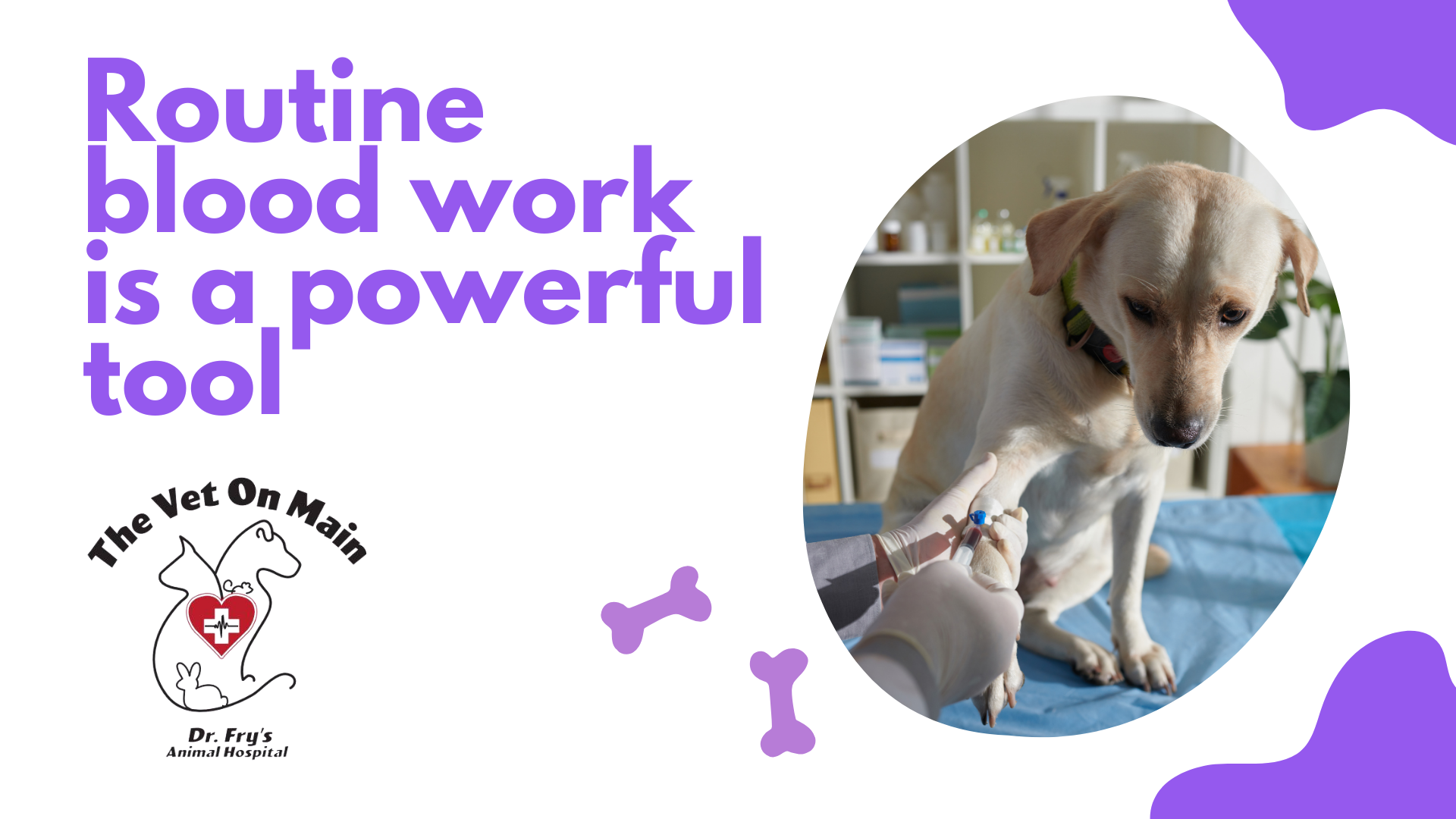
The Power of Routine Blood Work for Your Pet’s Health

View Post

When it comes to keeping your pet healthy and happy, routine blood work is an invaluable tool. Just as regular health check-ups allow us to monitor our own wellbeing, routine blood tests give veterinarians crucial insights into your pet’s internal health.

This simple but powerful diagnostic tool can detect potential health issues early—sometimes even before outward symptoms appear—helping your furry friend live a longer, healthier life.

Read More

Arthritis Isn’t Just a Human Problem

View Post

When we think of arthritis, our minds often drift to people experiencing joint pain and stiffness, but did you know arthritis is a common issue for pets too? Just like humans, dogs, cats, and even exotic pets can develop arthritis, especially as they age.

This condition can significantly affect their mobility and overall well-being, but the good news is that with proper care and management, arthritis doesn’t have to be a source of constant discomfort for your furry friend.

Read More

Dental Care Tips to Keep Your Pet’s Smile Healthy

View Post

When it comes to pet health, dental care often takes a backseat. However, just like humans, your furry friends depend on clean, healthy teeth for their overall well-being. According to the American Veterinary Medical Association (AVMA), periodontal disease is one of the most common health issues affecting pets, with nearly 80% of dogs and 70% of cats over the age of three experiencing some form of dental disease.

This blog will provide you with essential pet dental care tips to help maintain your pet’s oral health, from daily at-home practices to professional cleanings. Whether you’re looking for advice on how to clean your pet’s teeth, choosing the best products for pet dental care, or understanding the importance of pet dental hygiene, you’re in the right place.

Read More

Why Does My Pet Do That? Understanding Their Unique Habits

View Post

Have you ever caught your dog excitedly chasing its tail or your cat leaving a “gift” on your doorstep? Pets often exhibit unusual quirks that leave us puzzled, wondering, Why do they do that?

Understanding these unique habits helps deepen the bond you share with your furry friends and ensures their emotional and physical needs are met. This guide will walk you through some of the most common behaviors in dogs, cats, and small animals, offering insights and tips for better communication with your pets.

Common Dog Behaviors Explained

Dogs are often called man’s best friend, but sometimes their antics can be a mystery. Here’s a breakdown of a few quirky canine behaviors:

1. Tail Chasing

That spinning dog show might look amusing, but why do dogs chase their tails? 

Often, it’s a form of play or a way to release pent-up energy. However, excessive tail chasing can be a sign of boredom or even obsessive-compulsive behaviors. Providing ample exercise and mental stimulation can curb this habit.

2. Excessive Licking

Does your dog lick you constantly? While this might feel like affection, licking can also be a way for dogs to soothe themselves or communicate. If the licking is targeted at themselves and excessive, it could indicate allergies or anxiety. Consulting a vet is a good idea if you’re unsure.

3. Digging

From uprooting the garden to creating holes in the yard, digging is common in dogs. Why? It’s mostly instinctual. Some breeds, like Terriers, have a natural drive for digging as part of their hunting roots. Other causes may include boredom, anxiety, or trying to cool themselves down. Offering designated digging areas or engaging toys can redirect this behavior.

Common Cat Behaviors and Their Meanings

Cats have a unique way of expressing themselves, often leaving their human companions scratching their heads. Here are some feline habits explained:

1. Kneading

Ever noticed your cat pressing its paws rhythmically into your lap? This behavior, called kneading, harks back to kittenhood when they kneaded their mother’s belly to stimulate milk flow. It’s a sign of comfort and affection.

2. Scratching

Cats scratch to sharpen their claws, mark their territory, and stretch their muscles. To prevent your furniture from becoming a scratching post, invest in cat-specific scratchers and encourage your feline to use them instead.

3. Bringing “Gifts”

Receiving a dead mouse or a bird might make you shudder, but it’s your cat’s way of showing appreciation. Cats are natural hunters, and bringing you their prey is a gesture of sharing the hunt with their family.

Unpacking Small Animal Behaviors

Small pets, like hamsters and rabbits, may seem simple, but they possess fascinating behaviors that reveal a lot about their needs and emotions.

1. Chewing

Hamsters, rabbits, and other small animals are known for their love of chewing. It’s more than just a hobby; it’s essential for maintaining their dental health. Provide safe chew toys and appropriate materials like wood blocks to keep their teeth healthy and their minds occupied.

2. Hiding

Rabbits and hamsters instinctively hide as a defense mechanism. If your small pet hides often, it may indicate stress, fear, or a need for more hiding spaces in their habitat. Create a calming environment and provide quiet areas to help them feel secure.

3. Wheel Running

That squeaky wheel might keep you up at night, but for hamsters, running is a natural way to burn energy. Ensure the wheel is the right size and avoid solid plastic wheels that could cause harm.

When to Seek Expert Advice

While many pet behaviors are completely normal, some can signal deeper issues. According to The Vet On Main, it’s essential to monitor for:

  • Sudden changes in behavior
  • Signs of pain or distress
  • Excessive licking, scratching, or hiding

When in doubt, consulting a veterinarian can provide valuable insights, ensuring your pet stays happy and healthy.

Building a Stronger Bond with Your Pet

Your pet’s habits are their way of communicating with you. The more you understand their unique behaviors, the better equipped you’ll be to meet their needs. Whether it’s playfulness in a dog, the independent nature of cats, or the quirky movements of small animals, each habit tells a story.

Curious about your pet’s peculiar antics? Share this article with fellow animal lovers to help everyone understand why #UnderstandingYourPetMatters. Together, we can all ensure our pets live their best lives! 🐾