


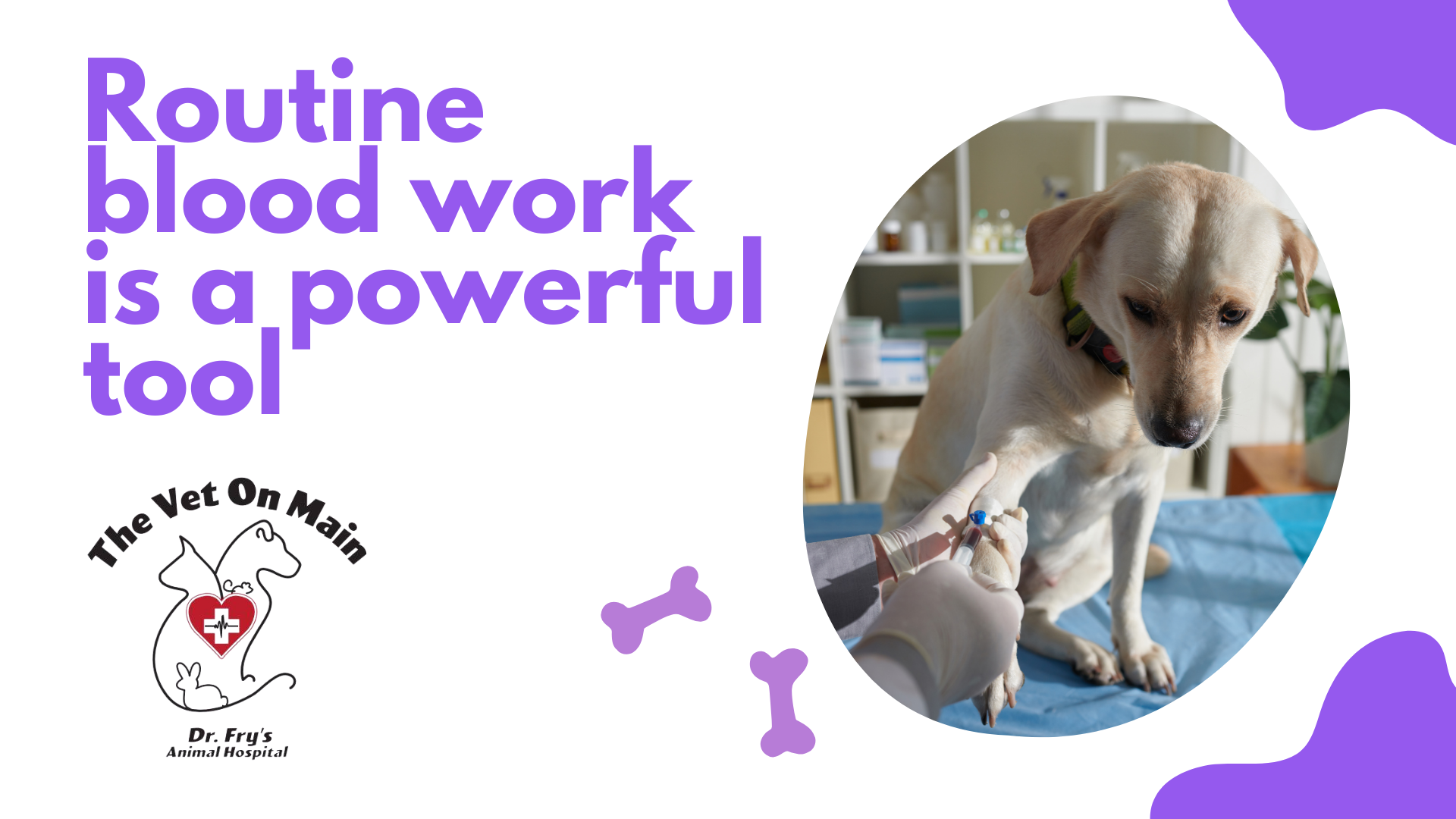

When it comes to keeping your pet healthy and happy, routine blood work is an invaluable tool. Just as regular health check-ups allow us to monitor our own wellbeing, routine blood tests give veterinarians crucial insights into your pet’s internal health.
This simple but powerful diagnostic tool can detect potential health issues early—sometimes even before outward symptoms appear—helping your furry friend live a longer, healthier life.
When it comes to keeping your pet healthy and happy, routine blood work is an invaluable tool. Just as regular health check-ups allow us to monitor our own wellbeing, routine blood tests give veterinarians crucial insights into your pet’s internal health. This simple but powerful diagnostic tool can detect potential health issues early—sometimes even before outward symptoms appear—helping your furry friend live a longer, healthier life.
Why Routine Blood Work Matters
Blood work acts as a window into your pet’s internal systems. It can identify problems like infections, organ dysfunction, diabetes, and even early signs of cancer. By evaluating components like red and white blood cells, electrolytes, and organ enzymes, veterinarians can uncover subtle changes that might otherwise go unnoticed. For example, a rise in kidney-related enzymes in blood tests could signal early kidney disease long before your pet shows symptoms like changes in appetite or energy levels. This gives us a vital head start in managing and treating any issues.
What Blood Work Tests For
Typically, your veterinarian will perform two types of blood tests during a routine wellness check-up:
- Complete Blood Count (CBC): This measures your pet’s red and white blood cells, platelets, and hemoglobin levels to detect conditions like infections, anemia, and inflammation.
- Blood Chemistry Panel: This test assesses organ function and measures electrolytes to evaluate your pet’s overall health. It can help identify problems with the liver, kidneys, pancreas, and thyroid.
When Should Your Pet Have Blood Work Done?
Routine blood work is often recommended during annual wellness exams, but certain situations call for more frequent testing. These include senior pets (typically over seven years old), pets with chronic conditions, or prior to undergoing anesthesia for surgery. Additionally, unexpected changes in your pet’s behavior, eating habits, or energy levels may prompt your veterinarian to recommend blood work to investigate underlying causes.
Proactive Care for a Healthier Future
With routine blood work, you and your veterinarian become a proactive team in safeguarding your pet’s health. Early detection of medical conditions means treatment can begin sooner, leading to better outcomes and improved quality of life for your pet. Think of it as one of the best preventive steps toward ensuring your four-legged family member stays by your side for years to come.
At The Vet On Main, we are committed to providing compassionate, comprehensive, and transparent care for every pet. If you’re ready to schedule your pet’s next routine wellness exam—including blood work—contact us today to book an appointment. Your pet’s health is our priority, and we’re here to support you every step of the way.


